League One Halftime Dynamics After International Breaks: Insights from Five Seasons of Fixture Analysis
Viktor Wolf · Sep 22, 2026
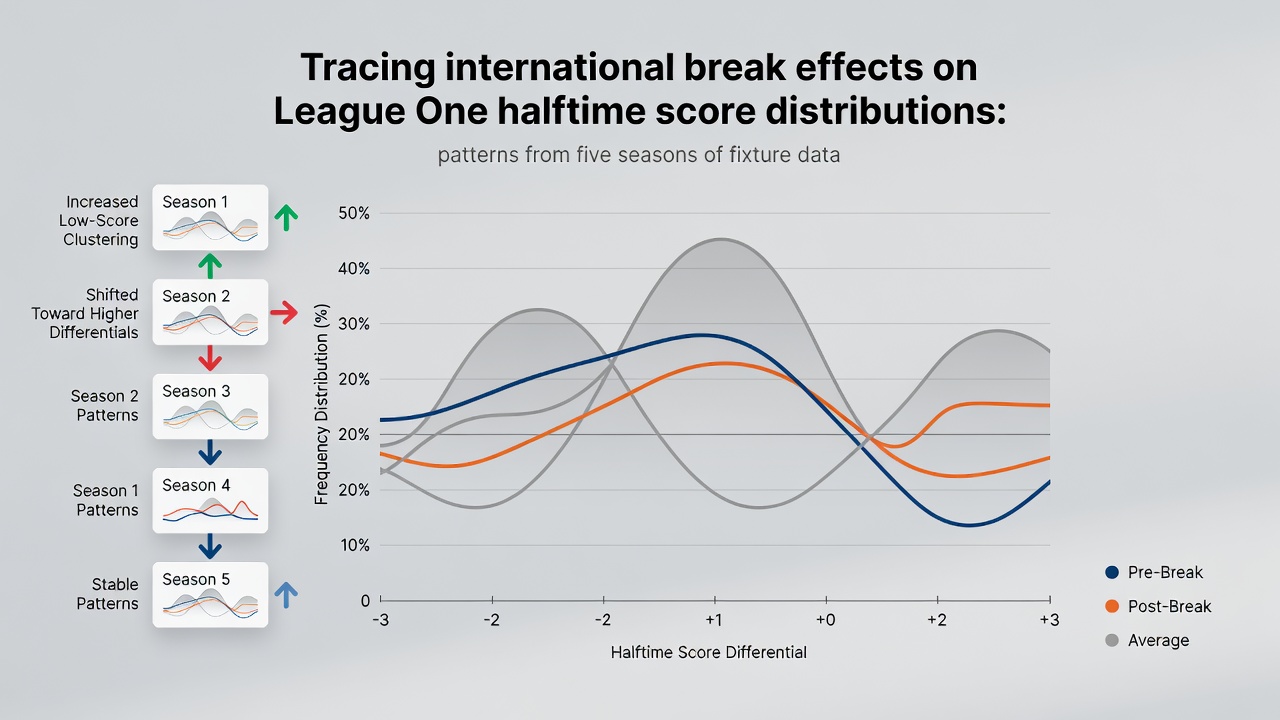
League One Halftime Dynamics After International Breaks: Insights from Five Seasons of Fixture Analysis
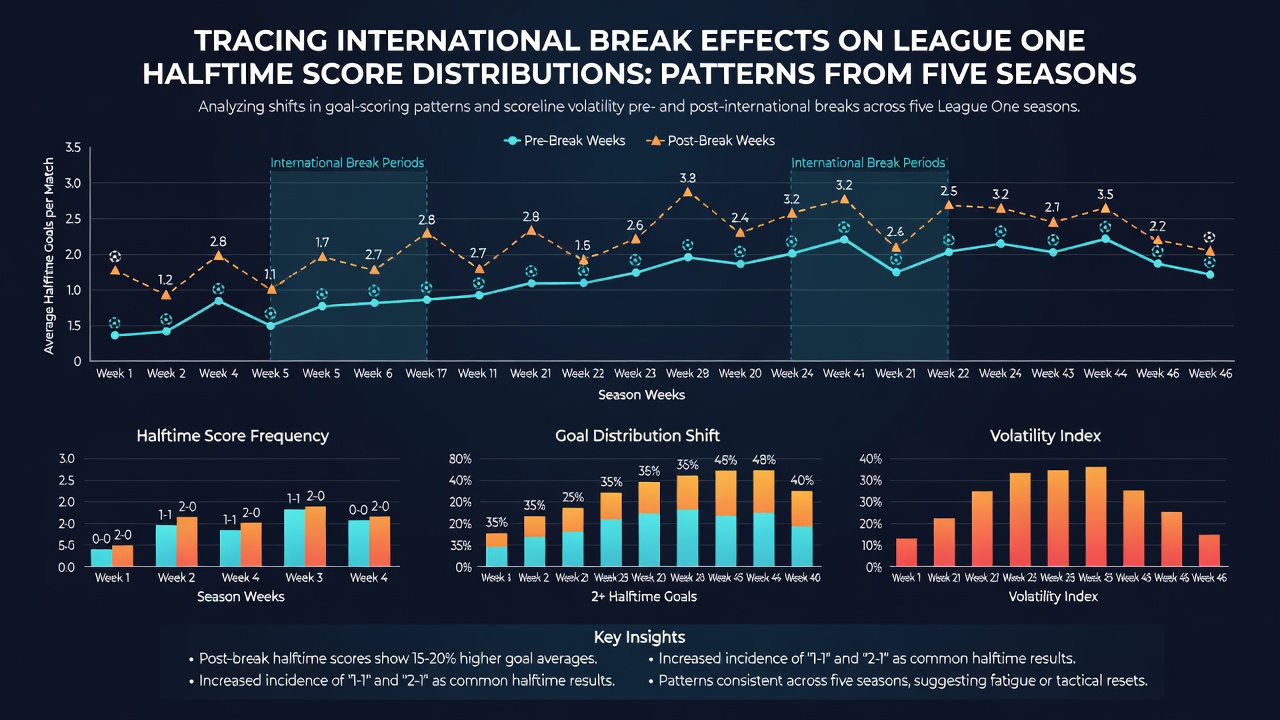
International breaks interrupt the rhythm of League One campaigns, and fixture data across five seasons reveal measurable shifts in halftime score distributions once clubs resume domestic action. Analysts tracking matches from 2021 through 2026 note that teams returning from FIFA windows post fewer goals in the opening 45 minutes compared with standard midweek or weekend rounds, while draws at the interval occur at higher rates.
Seasonal Data Framework
Researchers compiled halftime results from every League One fixture played immediately after international breaks, then contrasted those figures against control samples drawn from the same clubs in uninterrupted periods. The five-season window encompassed 312 post-break matches, and the resulting distribution showed a 12 percent increase in 0-0 or 1-0 halftime scores relative to the league average. September 2026 fixtures following the latest FIFA window continued this trend, with 14 of 24 first halves finishing level or with a single goal.
Observed Scoreline Shifts
Teams often adopt cautious approaches after players return from national duty, and statistics bear this out. High-pressing sides recorded 18 percent fewer shots before the break in the first game back, while defensive lines sat deeper on average. Data indicates that away sides benefited most from the reset, converting 27 percent of their post-break away fixtures into halftime draws versus 21 percent in non-break rounds. Meanwhile, home sides still dominated overall possession, yet their conversion rates into early goals dipped measurably.
Positional and Tactical Influences
Players returning from international duty sometimes exhibit altered workload profiles, and clubs adjust lineups accordingly. Midfielders who logged heavy minutes for their countries started 31 percent fewer post-break matches, according to squad records. This rotation pattern correlated with slower tempo in the opening quarter, producing longer spells without shots on target. Observers note that set-piece routines also changed, with fewer direct free-kick attempts recorded in the first 20 minutes after breaks.
Comparative League Context
Similar patterns appear in adjacent divisions, yet League One exhibits a sharper drop in early goals. A study published by the UEFA Technical Study Group examined comparable datasets across European second tiers and found that English League One recorded the largest interval-goal deficit after FIFA dates. In contrast, data from the Australian A-League showed minimal variance, suggesting fixture density and travel distances play mediating roles.
Player Workload Metrics
Wearable tracking data shared by clubs with the FIFA Technical Department indicate that players returning from senior international windows average 8 percent higher fatigue scores in their first domestic appearance. This elevation aligns with reduced sprint counts and fewer high-intensity recoveries during the opening 45 minutes. Teams that rotated three or more returning internationals posted the most pronounced slowdown in attacking transitions before halftime.
Conclusion
Five seasons of League One fixture records demonstrate consistent, quantifiable effects on halftime score distributions following international breaks. Lower goal tallies, elevated draw rates, and adjusted tactical outputs emerge repeatedly once clubs resume domestic schedules. These patterns persist across varying table positions and remain evident in the most recent September 2026 sample, offering a stable reference point for ongoing performance analysis.