Tracing Form Reversals Among ATP Players on Indoor Hard Courts During Winter Tours
Clara Walter · Aug 19, 2026
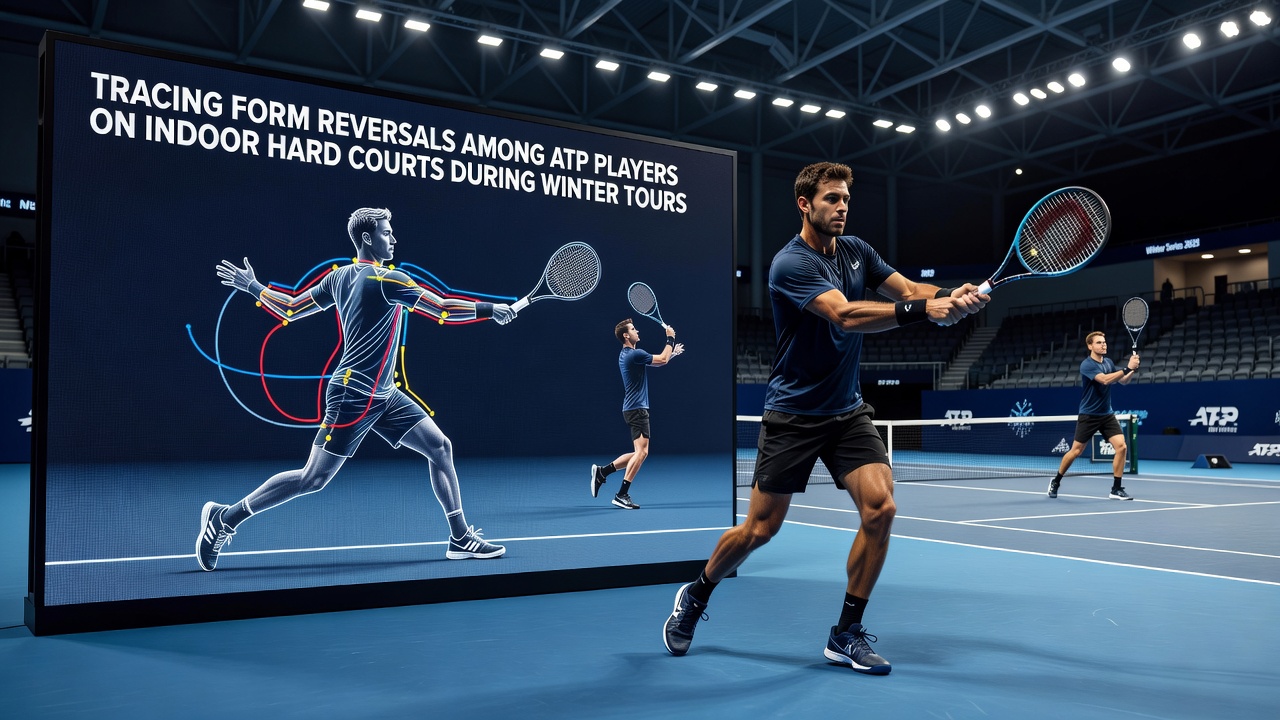
Tracing Form Reversals Among ATP Players on Indoor Hard Courts During Winter Tours
Form reversals among ATP players on indoor hard courts during winter tours have drawn consistent attention from analysts and coaches who track performance data across seasonal transitions. These shifts appear when competitors move from outdoor hard or clay events into controlled indoor environments across Europe and parts of Asia between November and February. Data collected by tournament statisticians shows measurable changes in serve efficiency, rally lengths, and error rates once matches shift to faster indoor surfaces with lower bounce and reduced wind influence.
Key Tournaments and Surface Characteristics
Winter indoor hard court events include the ATP 500 tournaments in Vienna and Basel along with the Paris Masters and several 250-level stops in Rotterdam and Marseille. Researchers note that these venues feature consistent lighting and court speeds that differ from the variable conditions found on outdoor hard courts during the preceding North American swing. Players who excel in longer baseline exchanges outdoors sometimes record higher unforced error counts indoors, while those with aggressive serve-plus-one patterns often post improved hold percentages according to official ATP match logs.
Studies from the International Tennis Federation have documented average rally lengths dropping by 15 to 20 percent on indoor hard compared with outdoor equivalents during the same calendar window. This compression of point construction rewards players who adapt footwork patterns quickly and alters the ranking of expected outcomes for several competitors each season.
Observed Performance Shifts in Recent Seasons
Tracking data across multiple winter tours reveals clusters of players who reverse prior results when the surface moves indoors. One group includes competitors who maintain strong records on outdoor hard yet post lower win rates indoors due to reduced margin for error on faster conditions. Another cohort shows the opposite pattern, with improved success rates once enclosed arenas eliminate external variables such as altitude changes or temperature swings. Analysts compiling multi-year datasets from ATP headquarters in London have identified roughly 12 to 15 players each winter who demonstrate statistically significant reversals exceeding 25 percent in win-rate differentials between surface types.
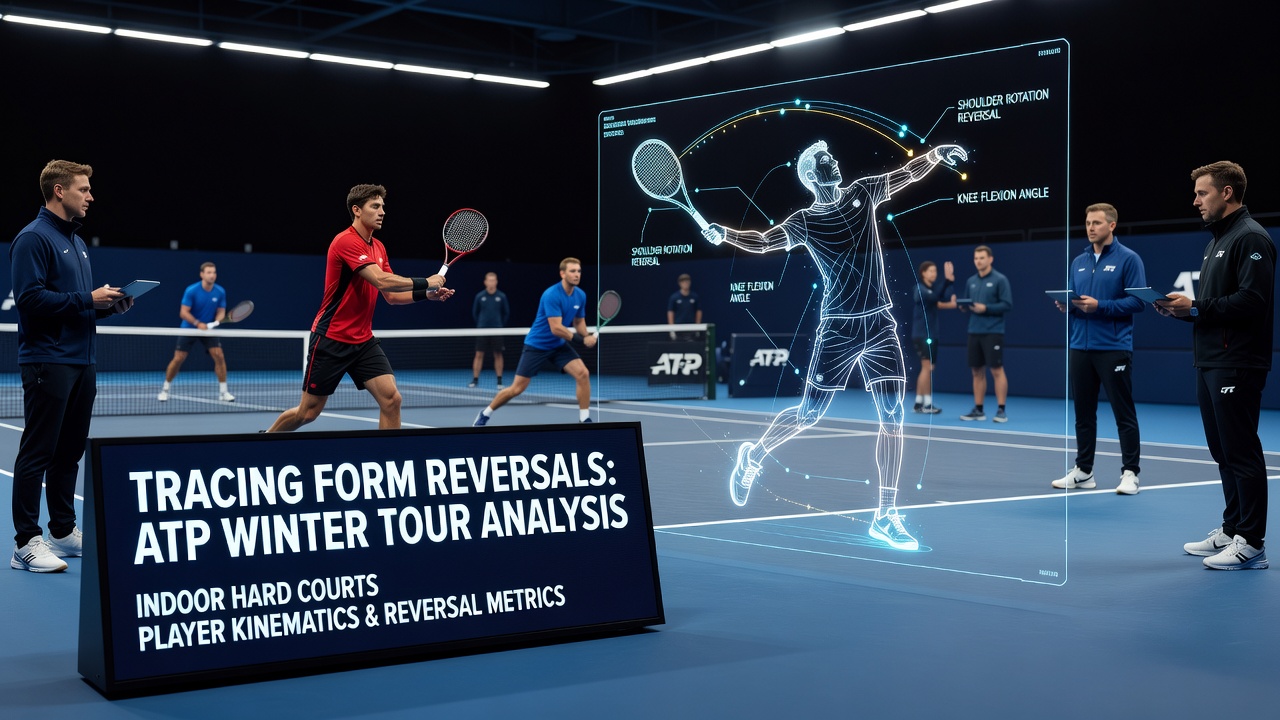
Coaches reviewing Hawk-Eye data often highlight adjustments in return positioning as a primary driver behind these reversals. Players who stand deeper on outdoor hard sometimes step forward indoors to counter quicker ball speeds, and those who succeed report measurable gains in break-point conversion. Figures released by the ATP performance analytics team indicate that top-50 players who alter their return stance by more than one meter indoors achieve an average 8 percent increase in points won on return compared with their outdoor baseline.
Physical and Tactical Factors
Physiological research conducted at sports science centers in Australia and Canada points to recovery demands that differ during winter indoor blocks. Compressed schedules with fewer rest days between events can accentuate fatigue effects on players who rely on extended recovery protocols suited to outdoor conditions. Sports medicine reports from the Australian Institute of Sport note that indoor environments maintain stable temperatures yet increase air recirculation, which some players associate with altered breathing patterns during long matches.
Tactical preparation also evolves. Teams review video of prior indoor encounters to identify serve patterns that exploit lower bounce angles, while opponents adjust return angles to exploit the same conditions. Observers tracking these adjustments through official ATP statistics observe that players who implement these changes early in the indoor swing often sustain improved results through February events leading into the Australian summer hard-court swing.
Data Tracking Methods
Modern analysis relies on integrated systems that combine ball-tracking technology with player movement sensors. These tools allow performance teams to quantify directional changes in footwork efficiency and stroke velocity between surface types. Reports compiled by university-affiliated tennis research groups in Germany and Japan have cross-referenced these metrics with historical match outcomes to identify recurring reversal patterns among mid-ranked players who lack extensive prior indoor experience.
Coaches and analysts continue to refine prediction models that incorporate surface-specific variables, and the resulting datasets feed into preparation schedules for the following season. Patterns observed during one winter tour frequently inform adjustments made before the next indoor block begins.
Conclusion
Form reversals on indoor hard courts during winter tours reflect measurable interactions between surface characteristics, player adaptation, and scheduling demands. Continued collection of performance metrics across ATP events provides clearer insight into which competitors adjust most effectively when conditions shift from outdoor to enclosed environments. These data streams support preparation strategies that extend through subsequent tours and contribute to evolving understandings of seasonal performance variation in professional tennis.